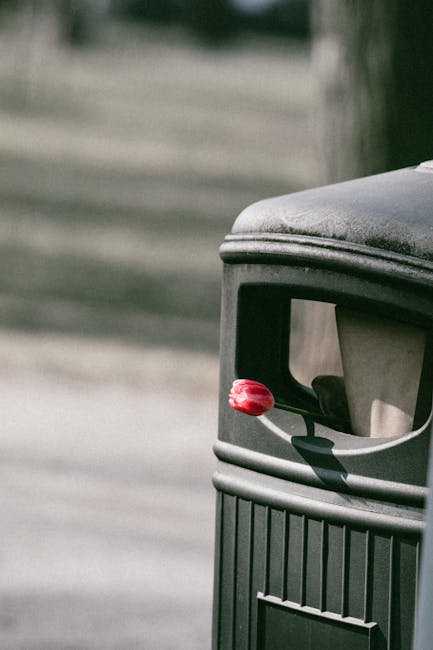
Camden, London: floral waste disposal after events
If you have ever walked into a venue the morning after a launch, wedding, fundraiser, or press night in Camden, you will know the scene: petals on the floor, tired stems in buckets, wrapping paper everywhere, and a mild sense that the room has done its job and is now asking to be reset. That is where Camden, London: floral waste disposal after events becomes less of a tidy-up task and more of an essential part of event close-down.
Done well, floral waste disposal protects the venue, keeps staff moving safely, supports better recycling and composting outcomes, and stops organic waste from turning into an awkward, last-minute headache. Done badly, it can leave a venue smelling damp, clog bins, and add unnecessary stress to an already busy team. Truth be told, it is one of those back-of-house details people only notice when it goes wrong.
This guide explains what floral waste disposal means in practice, how it works in Camden, what to watch out for, and how to make the process smoother, cleaner, and more sustainable. If you are planning regular events, it is also worth looking at the wider support available through corporate accounts for ongoing floral needs, as that can make post-event handling a lot more straightforward.
Table of Contents
- Why floral waste disposal after events matters in Camden
- How the process works
- Key benefits and practical advantages
- Who needs this and when it makes sense
- Step-by-step guidance
- Expert tips for better results
- Common mistakes to avoid
- Tools, resources and recommendations
- Law, compliance, standards and best practice
- Options, methods and comparison table
- Case study or real-world example
- Practical checklist
- Conclusion
- Frequently asked questions
Why Camden, London: floral waste disposal after events Matters
Camden is busy, layered, and often operating at full volume. Event spaces, restaurants, hotels, galleries, office venues, and community sites all deal with narrow loading windows, shared access routes, and quick turnarounds. That makes floral waste disposal after events more than a housekeeping detail. It is part of the operational rhythm.
Flowers are organic, but they are not always simple waste. Once an arrangement has broken down, you may be dealing with stems, foliage, wired mechanics, ribbon, tape, water-soaked foam, card, cellophane, or mixed decorative materials. Some of those can be recycled or separated; some cannot. If they are bundled carelessly, they become heavier, smellier, and harder to move. And in a hot room after a long event? Well, let's just say the room tells on you.
In Camden, venues also tend to care about presentation and reputation. A polished event does not end when the last guest leaves. It ends when the space is handed back neatly, without damp residue, blocked service corridors, or piles of mixed waste waiting by the door.
Practical takeaway: floral waste disposal is not just about removing dead flowers. It is about separating materials properly, reducing mess, protecting staff time, and making the venue ready for the next booking.
There is also a sustainability angle. Many event organisers want to reduce unnecessary landfill waste and demonstrate more responsible post-event practices. For that reason, a wider approach to event floral handling often sits comfortably alongside a company's sustainability goals and waste-reduction approach.
How Camden, London: floral waste disposal after events Works
At a practical level, floral waste disposal after events usually follows a simple sequence: collect, sort, contain, remove, and dispose of or divert where possible. The exact method depends on the scale of the event, the type of floral designs used, and the venue's waste setup.
For a small private dinner, the process may be as easy as gathering arrangements into one container, separating clean green waste from packaging, and arranging a same-day collection. For a larger Camden conference or brand activation, you may need a structured breakdown plan, with multiple waste streams and timed removal so staff are not tripping over buckets during strike-down.
Here is how it typically works in real life:
- Assess the materials. Fresh flowers, foliage, moss, foam, plastic wraps, glass vases, and wire all need different handling.
- Separate what can be separated. Keep organic material apart from packaging and decorative hardware wherever possible.
- Contain moisture. Drain water from buckets or vessels safely so you do not leave slippery floors behind.
- Bag or box the waste properly. Loose stems in open bags are a nuisance. They poke, leak, and spill on the way out.
- Coordinate removal. Decide whether the waste is leaving with the events team, the venue team, or a dedicated collection service.
- Clean the touchpoints. Wipe down tables, back-of-house areas, and any surfaces that had contact with plant matter or water.
If your event floral arrangements are delivered on a tight schedule, timing matters even more. A reliable delivery and collection window helps keep the close-down process orderly, so checking delivery arrangements and timing can be useful when planning event logistics.
One thing people often miss: the event's floral waste plan should be agreed before the flowers arrive. Not after. Once the room is full and the lighting is going down, nobody wants a debate about who owns the leftover roses.
Key Benefits and Practical Advantages
Good floral waste disposal delivers benefits that go beyond a cleaner floor. It reduces friction across the whole event operation.
- Faster strike-down: Staff spend less time making judgment calls about what goes where.
- Cleaner venue handover: The room is easier to reset for the next booking or morning setup.
- Better hygiene: Wilting flowers and standing water can become unpleasant quickly.
- Lower risk of damage: Proper removal protects carpets, service lifts, and storage corridors.
- Improved sustainability: Separating organic waste from mixed waste can support better disposal outcomes.
- Less staff stress: A clear system means fewer last-minute decisions under pressure.
There is another benefit that is easy to overlook: consistency. If you host frequent events, a repeatable floral disposal process saves energy and reduces errors. That matters in Camden, where many venues live and die by tight turnaround times. No one wants to be still sweeping petals from a doorway while the next supplier is waiting to unload.
For event planners who are also responsible for client experience, a tidy end-of-event process contributes to the overall impression. Guests notice the front of house, sure. But staff, suppliers, and venue managers notice the back of house. That is where trust is built.
Who This Is For and When It Makes Sense
This kind of floral waste planning is useful for anyone responsible for event close-down in Camden or the surrounding central London area. It is especially relevant if flowers are used at scale or if the venue handles frequent bookings.
- Event planners managing weddings, launches, networking events, and private dinners
- Venue managers who need clean handovers between bookings
- Hospitality teams dealing with table arrangements, foyer displays, and entrance decor
- Corporate offices hosting seasonal events, receptions, or brand activations
- Florists and production teams who include de-rigging or collection in their service plan
- Housekeeping and facilities staff tasked with restoring spaces quickly
It makes sense whenever floral waste is likely to be more than a bin bag's worth. If your event includes large centrepieces, hanging floral installations, flower walls, or multiple table designs, you need a proper plan. If not, you may still need one. Smaller events create less waste, yes, but they can still be awkward if everything has been mixed together with packaging and food waste.
A useful rule of thumb: if someone is asking, "Where do we put all this once the guests go?" you probably needed the disposal plan yesterday.
For businesses that regularly order flowers for events, hospitality, or client-facing spaces, a set-up that covers ordering, timing, payment, and support can reduce admin. In that sense, a broader service relationship through about the company and its service approach can be helpful for understanding who you are working with and how the process is handled.
Step-by-Step Guidance
Below is a practical way to handle floral waste disposal after events in Camden without overcomplicating it. It is simple enough to use, but structured enough to prevent those awkward half-cleared piles near the service lift.
1. Build the disposal plan before event day
Decide who is responsible for removing flowers, what containers will be used, and where the waste will go. Make sure the venue team, florist, and event organiser all understand the same plan. Confusion usually starts at the boundaries.
2. Identify the waste types
Separate the materials into broad groups:
- organic floral waste such as stems, leaves, petals, and spent blooms
- non-organic decor like ribbon, wire, tape, and plastic sleeves
- hard items such as glass vases, candle holders, or display stands
- wet materials such as soaked foam, moss, or water-heavy packing
3. Empty vessels safely
Drain buckets and containers in a controlled way. Wet floors are the sort of thing that can ruin a clean-up team's rhythm fast. Use towels, mop points, or a designated sink area. Not glamorous, but very necessary.
4. Break down arrangements carefully
Large arrangements often hide mixed materials. Take them apart before bagging. If you leave wire or tape tangled through the stems, disposal becomes harder and the waste stream gets messier.
5. Bag or box by waste stream
Use sturdy liners or boxes that will not split when moved. Keep organic matter separate from general rubbish where possible. If your venue has a food waste or green waste route, make sure floral waste is eligible before using it. When in doubt, check the local collection arrangements or the venue's own waste contractor rules.
6. Clear the room and final sweep
Once the main waste is out, do a final sweep of petals, leaves, stray stems, and wet marks. The last ten minutes matter more than people think. That is often where the "almost tidy" becomes actually tidy.
7. Record anything unusual
If there was a problem with the volume, packaging, access, or timing, note it down for next time. Repeating the same issue twice is a gift to nobody.
Expert Tips for Better Results
After a while, you start to notice the same patterns. The events that run smoothly usually do a few small things well. Nothing flashy, just good habits.
- Keep waste stations close to the breakdown area. If people have to walk too far with dripping stems, they will cut corners.
- Use separate containers from the start. A "flower only" bucket and a "mixed waste" box save time later.
- Protect floors and lift routes. Place mats or temporary coverings in back-of-house areas if needed.
- Schedule removal early enough. Leaving flowers overnight is rarely ideal, especially after a warm indoor event.
- Choose simpler event floristry where appropriate. Less wiring, less foam, fewer tricky components. Sometimes elegant is also easier.
- Brief the team in plain English. Avoid jargon. "This goes here, that goes there" works better than a ten-minute lecture.
Here is a small but useful one: assign a single person to make the final call if a material is borderline. Otherwise, three people stand around a bucket discussing whether a damp bow counts as recyclable. It happens. More often than you'd think.
If you are also caring for flowers before the event ends, a little maintenance can extend display life and reduce premature waste. Practical advice in flower care guidance can help you keep arrangements looking good for longer, which in turn makes the disposal stage cleaner and less wasteful.
Common Mistakes to Avoid
Most floral waste problems are preventable. The frustrating part is that the same mistakes keep showing up.
- Mixing all waste together: Once flowers, tape, food scraps, and packaging are combined, sorting becomes slower and less effective.
- Leaving water in vessels: This causes spills, odour, and extra cleanup.
- Forgetting access logistics: A collection plan means little if nobody can reach the loading area.
- Underestimating the volume: A room full of centrepieces creates more waste than people expect.
- Using weak bags: Stems poke through and wet matter makes lightweight bags fail at the worst moment.
- Ignoring packaging rules: Not every decorative component belongs in the same waste stream.
- Waiting until the end to plan: This is the big one. It always feels manageable until the clock starts moving.
To be fair, mistakes usually happen because the team is busy, not because they are careless. But an extra ten minutes of planning can save an hour of scrubbing later. That trade is worth making every time.
Tools, Resources and Recommendations
You do not need a huge kit to manage floral waste properly, but a few practical tools make a surprising difference.
| Tool or resource | Why it helps | Best used for |
|---|---|---|
| Sturdy waste bags or boxes | Prevents leaks, splits, and stem punctures | All event sizes |
| Separate collection tubs | Makes sorting much faster | Large floral installs |
| Labelled disposal zones | Reduces confusion for staff and suppliers | Busy venue close-downs |
| Protective gloves and floor cloths | Helps with wet stems and sticky residue | Back-of-house handling |
| Event waste notes | Tracks what worked and what did not | Repeat bookings |
For repeat events, a relationship with a supplier that understands ordering cadence, replacement timing, and event logistics can save admin. If you need flexible ordering for teams or venues, corporate account support may be relevant. For practical questions, delivery coordination, or event timing, the contact page is the sensible place to start.
It is also worth checking service expectations around returns, replacements, and delivery timing, especially where flowers are part of a larger event package. The relevant details are usually set out in the site's returns and refund information and guarantee terms. Reading those before event day can save a very awkward email later on.
Law, Compliance, Standards and Best Practice
Floral waste disposal after events is not usually a highly regulated area in the way food safety or medical waste is, but that does not mean anything goes. In London, responsible waste handling still matters, and venues or event operators should follow the waste arrangements that apply to their premises and contracts.
From a best-practice point of view, a few principles are worth keeping in mind:
- Keep waste streams separate where practical. Mixed waste is harder to manage and often less sustainable.
- Do not leave wet organic waste in public or shared access areas. It can create odour, spills, and pest attraction.
- Follow venue and contractor instructions. Different buildings have different access, collection, and storage rules.
- Use safe manual handling. Large arrangements can be awkward, heavy, and more fragile than they look.
- Protect accessibility routes. Do not block lifts, fire exits, or shared corridors during strike-down.
If your event uses a lot of decorative materials, it also makes sense to think about source ethics and operational transparency. Pages such as the modern slavery statement, privacy policy, and terms and conditions help set expectations around how a supplier operates. That might sound dry, but in real business life, clarity is a relief.
For visitors who need digital access support, the site's accessibility statement is also available. And yes, even practical pages matter when you are trying to work efficiently at 6:45 in the morning with a box of soggy peonies in one hand.
Options, Methods, and Comparison Table
There is no single right way to dispose of floral waste after an event. The best option depends on venue size, waste volume, timing, and how much sorting the team can realistically handle.
| Method | Best for | Advantages | Watch-outs |
|---|---|---|---|
| On-site venue disposal | Small events and simple setups | Fast, direct, minimal coordination | Can be messy if waste streams are not separated |
| Floral contractor collection | Events with large installations | Efficient for specialist breakdown and removal | Needs clear timing and access planning |
| Mixed waste disposal through venue contractor | Lower-volume or one-off events | Simple to coordinate | Less sustainable if everything is combined |
| Separated organic waste route | Venues with waste-sorting systems | Better sorting and cleaner close-down | Requires staff training and correct bin access |
In practice, the most effective arrangement is often a hybrid. For example, a florist may remove large components while the venue team handles smaller stems and residual packaging. That shared approach tends to work well in Camden where timing is tight and access is sometimes a bit fiddly, to put it politely.
Case Study or Real-World Example
Picture a Friday evening product launch in a Camden venue with table flowers, a statement entrance arrangement, and a few reusable vases behind the bar. Guests leave at 10:30 p.m., and by 11:00 p.m. the room needs to be close to reset for the next morning's setup.
The team starts by separating reusable glassware from spent blooms. Fresh-looking stems are not kept forever, of course, but the vases can be washed and returned. The remaining floral material is split into organic waste and non-organic decorative items. Water is drained into a controlled sink area. Any ribbon, wire, or plastic sleeves are collected separately. The venue floor is then swept and wiped in stages so nothing slippery is left behind.
What made the process smooth was not a clever tool or a big budget. It was a clear plan agreed before the event began. The florist knew which pieces were reclaimable. The venue knew where the waste should go. The event manager knew when the collection window opened. No drama, no guessing. Just a clean finish.
That sort of calm handover is exactly what clients remember, even if they never think about floral waste in those terms. And honestly, that is the point.
Practical Checklist
Use this checklist before, during, and after the event to make floral waste disposal easier.
- Confirm who is responsible for floral waste removal
- Identify the waste streams before setup begins
- Provide labelled containers or bags for flowers and mixed materials
- Check access routes, lift timings, and loading restrictions
- Keep a towel, mop, or cloth ready for water spills
- Separate reusable vases and display items early
- Avoid leaving floral waste overnight unless that is the agreed plan
- Make sure staff know where clean-up materials are stored
- Schedule collection or removal with enough buffer time
- Do a final floor check before handing the room back
Quick summary: the cleaner the breakdown plan, the less waste ends up as a problem. Simple as that. Well, mostly simple.
For businesses hosting recurring events, it can also help to keep supplier terms, payment handling, and ordering details in one place. That is where payment information and the wider service pages can make repeat planning easier, especially when several teams are involved.
Get a free quote today and see how much you can save.
Conclusion
Camden, London: floral waste disposal after events is really about control, timing, and care. The flowers may be temporary, but the impact of how you remove them is not. A well-handled close-down protects the venue, supports sustainability, helps staff work safely, and leaves everyone with a cleaner finish to the event.
If you build the plan early, separate the materials properly, and keep the team aligned, floral waste becomes just another tidy part of the process rather than a stressful afterthought. And that is the kind of quiet efficiency people trust.
When the room is empty and the petals are gone, what remains is a venue ready for its next story. That little bit of order matters more than people think.
Frequently Asked Questions
What is floral waste disposal after events?
It is the process of collecting, separating, and removing leftover flowers, foliage, and related materials after an event. The aim is to keep the venue clean and handle organic and non-organic waste properly.
Why is Camden, London: floral waste disposal after events such a specific issue?
Camden venues often work to tight schedules, shared access routes, and quick turnaround times. That makes organized floral waste handling especially important because there is less room for messy delays.
Can flower waste be recycled or composted after an event?
Sometimes, yes, but it depends on local waste arrangements and how the flowers were used. Clean organic material is usually easier to divert than mixed waste containing tape, wire, or packaging.
Should floral waste be removed on the same day as the event?
Usually, yes, if the venue and supplier schedule allows it. Fresh flowers can become soggy, heavy, and unpleasant overnight, especially in warmer indoor spaces.
What should be separated from the flowers before disposal?
Try to separate ribbon, plastic sleeves, wire, foam, glass, and reusable containers. The cleaner the sorting, the easier the disposal.
Who is usually responsible for floral waste after an event?
That depends on the event contract. It may be the florist, venue team, event organiser, or a combination of all three. The important thing is to assign responsibility clearly in advance.
What are the biggest mistakes people make?
Mixing all waste together, leaving water in vessels, forgetting access routes, and not planning removal timing are the most common issues. They sound small, but they cause most of the trouble.
How can I make floral waste disposal more sustainable?
Start by reducing mixed waste, reusing vessels where possible, and separating organic material from packaging. Choosing simpler designs and planning logistics early can also reduce waste overall.
Do I need special equipment for floral waste disposal?
Not necessarily special, but sturdy bags, labelled containers, gloves, and floor protection help a lot. For larger events, dedicated collection tubs and a clear waste station are worth having.
How do I plan floral waste disposal for a corporate event in Camden?
Work backwards from the event end time. Confirm who removes the flowers, where they will go, what can be reused, and when the collection happens. If you run regular events, a corporate account structure can make this much easier.
Is there a difference between flower care and flower waste planning?
Yes. Flower care helps arrangements last longer during the event, while waste planning handles what happens once the display is finished. The two support each other, but they are not the same thing.
Where can I find supplier information before booking?
It helps to review the company's delivery, guarantees, returns, payment, and about pages before you book. That gives you a clearer sense of service expectations and how the process is managed.