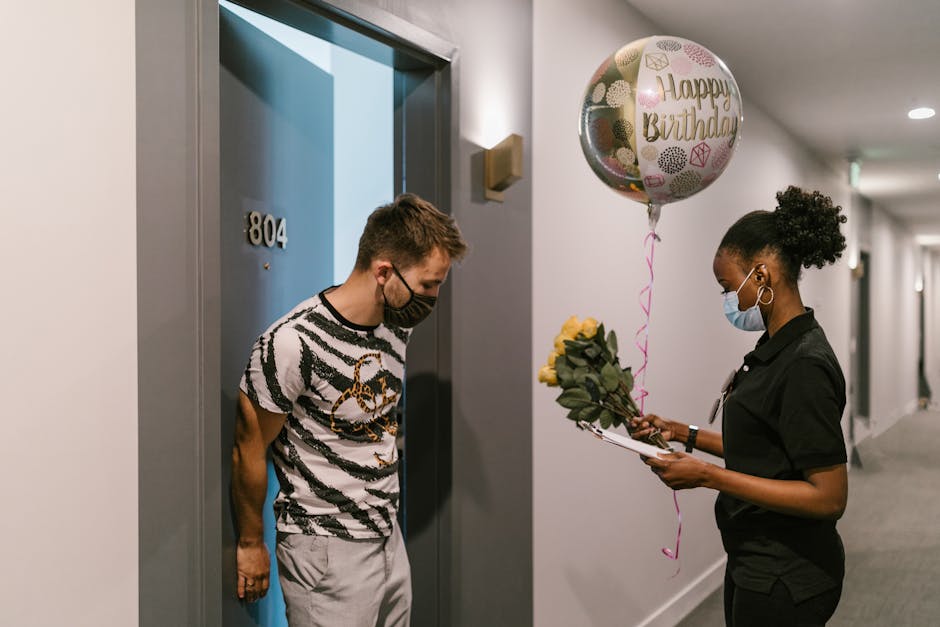
Flower deliveries to London flats when couriers can't access

There's a special kind of frustration that comes with ordering flowers to a London flat and then hearing the dreaded line: "I can't get in." If you've ever tried to send a bouquet to a buzzered-up mansion block, a gated development, or a new-build with more security layers than a bank, you already know the feeling. Flower deliveries to London flats when couriers can't access are common enough to need a proper plan, not a hopeful shrug.
This guide explains what actually happens when access is tricky, how good delivery teams handle it, and what you can do to make sure the flowers still arrive looking fresh, safe, and on time. You'll also get practical steps, a comparison of delivery methods, common mistakes to avoid, and a checklist you can use right away. No fluff. Just the useful bits.
Why Flower deliveries to London flats when couriers can't access Matters
London living has its own little delivery puzzles. Flat numbers hidden behind one buzzer, a concierge who finishes at 6pm, a side entrance that only opens with a fob, or a building where the courier can't park close enough to carry a vase safely. Any one of those can turn a simple bouquet delivery into a small logistical drama.
Why does this matter so much? Because flowers are delicate, time-sensitive, and often sent for moments that really do matter: birthdays, anniversaries, apologies, hospital-style "thinking of you" gestures, new baby celebrations, or a quiet boost after a hard week. If access fails, the recipient can miss the moment, the flowers can sit too long in a van, and everyone ends up doing the awkward call-back dance. Nobody enjoys that.
In practice, access issues are not just about inconvenience. They affect freshness, presentation, and how confident the sender feels. If you're ordering flowers for a flat in central London, east London, or a high-rise in one of the busier neighbourhoods, a good delivery plan is part of the service, not an extra.
Expert summary: The best flower delivery for a hard-to-access London flat is not just the prettiest bouquet. It's the one that arrives with the right access instructions, a sensible fallback plan, and a delivery process built for real buildings, real people, and real-life delays.
You'll notice the difference immediately when the delivery team is prepared. The flowers arrive cleaner, the stems are less stressed, and the whole experience feels smoother. That's the goal, really.
How Flower deliveries to London flats when couriers can't access Works
At a simple level, the process is exactly what it sounds like: the florist prepares the arrangement, the courier attempts delivery, and if access is blocked, a backup method is used. But the useful bit is in the details.
In a well-run delivery system, the customer provides flat number, building name, buzzer code, concierge details, and any practical notes. The courier then uses that information to get as close as possible to the recipient. If they can't gain access, they may try to call the recipient, contact the sender, wait briefly, leave with a porter if permitted, or arrange a second attempt depending on the service terms.
There are a few common access scenarios in London flats:
- Concierge-managed buildings where flowers can be handed to reception.
- Secure apartment blocks where the courier needs a code or resident answer.
- Shared entrances and buzzer systems with multiple flats behind one door.
- High-rise buildings where lift access, loading bays, or waiting rules apply.
- Estate layouts where the map makes sense only after you've already walked halfway around the block.
Delivery teams usually try to balance speed and care. Flowers should not be left baking in a van if that can be avoided, and they should not be shoved into a random lobby corner either. The best outcomes come from clear instructions and realistic expectations. To be fair, that sounds simple, but in London simple is often doing a lot of work.
If you are ordering regularly, it can help to understand the company's broader delivery setup too. Pages like flower delivery and delivery information explain the general framework, while guarantees can give you a better feel for what happens if something goes wrong.
Key Benefits and Practical Advantages
The main advantage of planning around access problems is peace of mind. But there are several other benefits worth calling out, especially if you're sending flowers to a flat where the courier may have to improvise a little.
- Better freshness: fewer delays mean flowers spend less time in transit.
- Higher success rate: clear building instructions reduce failed attempts.
- Less stress for the recipient: they are not left chasing a driver while on a call or in the shower.
- Cleaner presentation: fewer handovers and less waiting helps preserve the bouquet.
- Fewer complaints or refunds: good access handling reduces disputes later.
There's also a commercial advantage. If you're sending flowers on behalf of a business, or arranging regular gifting for multiple flats, a dependable process keeps things tidy and professional. That's one reason many businesses look into corporate accounts when they need repeat deliveries with fewer surprises.
Another subtle benefit is timing. In London, timing matters more than people outside the city sometimes realise. A bouquet for a flat in a busy area can be delayed by road works, building security, or just the usual city rhythm. Proper access notes help absorb that friction rather than letting it spoil the whole delivery. A small thing, perhaps. But small things count when you're sending flowers.
Who This Is For and When It Makes Sense
This topic is relevant to more people than you might think. If the delivery address is a London flat, there's a decent chance the courier may need a little help. Not every building is difficult, of course, but enough are that it's worth planning ahead.
This is especially useful for:
- people sending gifts to high-rise flats or mansion blocks
- partners who live in secure apartment developments
- family members ordering flowers for elderly relatives in flats
- businesses sending thank-you flowers to clients in office-to-flat converted buildings
- anyone ordering for a recipient who may not hear the doorbell, answer unknown numbers, or be away from the entrance at the wrong moment
It also makes sense if you already know access could be awkward. Maybe the building has a sometimes-working buzzer. Maybe the reception desk is only staffed at certain hours. Maybe the recipient lives in a block near central London where parking is tight and the driver won't be able to idle outside for long. In those cases, leaving access notes is not overthinking. It's just being practical.
One customer scenario we see often is this: a sender orders flowers for a flat in a converted warehouse, assumes the recipient will "just come down," and then the recipient is in a meeting, the buzzer is silent, and the driver is already on the next stop. Bit messy. A two-line delivery note would have solved it. Honestly, that happens more often than you'd expect.
Step-by-Step Guidance
If you want the smoothest possible delivery, follow a process. This is the bit that makes the whole thing work.
- Enter the full address carefully. Include building name, flat number, floor if useful, and postcode. Don't assume the courier can guess.
- Add access notes. If there is a buzzer code, concierge desk, side entrance, security gate, or lift-only access, say so.
- Provide a working contact number. This is for the recipient if the courier needs to confirm access, and sometimes for the sender too.
- Think about timing. If the recipient works from home, attends night shifts, or lives in a building with limited reception hours, choose a delivery slot that fits.
- Choose an arrangement that suits the building. Tall vase displays can be beautiful, but if the recipient has a tiny hallway and no place to put it, a more compact bouquet may be better.
- Confirm what happens if access fails. Does the courier ring ahead? Leave with reception? Attempt redelivery? The policy matters.
- Track the delivery if available. It helps you know whether the courier is approaching the building or already waiting outside in the rain, which is a very London thing to picture.
If you're ordering through a site with clear terms and service details, it's worth reading them before checkout. The sections on terms and conditions, payment, and returns and refunds can help you understand what's covered and what's not. Not glamorous reading, admittedly, but useful.
Quick rule of thumb: if a courier might need to open a second door, press a second buzzer, or speak to a concierge, write that down. If you can imagine it helping the driver, include it.
Expert Tips for Better Results
Here's where experience really matters. The best flower deliveries to London flats when couriers can't access are usually the ones with fewer assumptions and more clarity.
1. Write the access note like a human would read it at speed
Keep it short and specific. "Flat 14, 2nd floor, use side entrance off the courtyard, code 1947#" is better than a paragraph that rambles through three landmarks, an old front door, and your feelings about the lift. Couriers are busy. Clarity wins.
2. Add recipient context if it helps
If the recipient is likely to be in a meeting, with a sleeping baby, or on a call, mention it. A little context can help the courier decide whether to ring the buzzer again or wait a minute. This is especially helpful for deliveries to apartments in places like Bloomsbury, King's Cross, or Canary Wharf where buildings can be large and access can change from one entrance to another.
3. Keep the bouquet practical for the route
Truth be told, a huge arrangement is lovely in a photo and slightly less lovely if it has to be carried through a gate, up stairs, and into a small lift. If access is tricky, ask for something sturdy, balanced, and easy to hand over.
4. Don't rely on "someone will be there"
Sometimes they are. Sometimes they aren't. And the courier is left outside looking at a locked door and a silent intercom. A backup contact or concierge note is much safer.
5. Check the building rhythm
Some flats have predictable quiet windows. Others don't. If the building is particularly busy around lunchtime, or has a known security routine, plan around that. It saves time and, frankly, a bit of embarrassment all round.
One small but valuable tip: if the delivery is important, choose a florist that explains its process clearly. A good about us page can tell you a lot about the business style, while flower care guidance tells you how seriously they treat freshness after delivery.
Common Mistakes to Avoid
A lot of failed flat deliveries come down to the same handful of mistakes. Easy to make. Easy to avoid next time.
- Leaving out the flat number and expecting the courier to work it out from the building name alone.
- Using an old phone number that no longer reaches the recipient.
- Assuming a concierge is always on duty when they may not be.
- Ignoring parking or access restrictions around the block.
- Ordering at the last second without checking whether the recipient will actually be in.
- Choosing a bouquet too large for the situation when a smaller one would travel better.
There's also a very human mistake: assuming "it'll be fine." Sometimes it is. But delivery to London flats often needs at least a little planning. The good news? Planning well is not hard. It just takes a minute.
Another common issue is forgetting that flower freshness and access are linked. If the courier has to wait, circle the block, or come back later, the delivery experience can suffer. That's why service information like delivery guarantees and delivery options matter before you place the order, not after.
Tools, Resources and Recommendations
You do not need fancy software to get this right. A few simple tools and habits do most of the work.
- Your phone contacts: save the recipient's number correctly before ordering.
- Notes app: keep a standard delivery note for recurring flat addresses.
- Building name and postcode check: confirm the full address from the recipient if there's any uncertainty.
- Order confirmation email: review the delivery details before the bouquet leaves the florist.
- Florist service pages: read delivery, care, guarantees, and returns policies before you need them.
If you're managing multiple deliveries or sending flowers more than once a month, it helps to keep a simple address note with access details, preferred delivery times, and any building quirks. Nothing dramatic. Just a tidy little system. The sort of thing you'd thank yourself for later.
For sustainability-minded buyers, it can also be worth checking how a florist approaches packaging and sourcing. The sustainability page can help you understand that side of the service, even if your main concern today is simply getting flowers into the right flat.
Law, Compliance, Standards, or Best Practice
Flower delivery is not usually a heavily regulated topic for the customer, but there are still standards and best-practice points worth respecting.
First, couriers and florists should follow normal care standards around safe access, respectful delivery, and handling customer information appropriately. That means treating address and phone details as personal data and using them only for the delivery process. A business should also be clear about its terms, refunds, and privacy practices, which is why pages such as privacy policy and cookie policy matter in a broader trust sense.
Second, if a building has rules about entry, reception handover, or restricted access, those should be followed. No cutting corners through a locked communal door or leaving items where they could be lost, damaged, or taken. That's just basic professional conduct.
Third, there is a practical expectation that delivery notes should be accurate. If you give the wrong flat number or omit key access details, the courier can only work with what they have. Best practice is to provide enough information for the parcel-or in this case the flowers-to reach the recipient without guesswork.
For businesses, it also helps to keep internal standards on customer communication. If access fails, the customer should be told what happened and what the next step is. A clear process beats a vague apology every time.
And yes, there's a human side to compliance too. Respect the building, respect the recipient, respect the driver's time. Simple enough, but easy to forget in the rush.
Options, Methods, or Comparison Table
Different delivery methods suit different London-flat situations. Here's a simple comparison to help you choose.
| Method | Best for | Strengths | Possible downside |
|---|---|---|---|
| Direct handover to recipient | Someone definitely at home | Fast, personal, least handling | Fails if the recipient misses the buzzer or is away |
| Concierge or reception handover | Blocks with staffed entry points | Convenient, often reliable | Depends on reception hours and building policy |
| Named safe place or alternative point | Buildings with clear approved alternatives | Flexible and practical | Not suitable everywhere, especially for delicate blooms |
| Redelivery after failed access | Missed initial attempt | Gives another chance to complete delivery | Can delay freshness and final arrival time |
In real life, concierge handover often works well for London flats, provided the building permits it. Direct handover is ideal when the recipient is reliably available. Redelivery is the fallback, not the plan. And that's the bit people sometimes reverse, which causes trouble. Plan for success first.
Case Study or Real-World Example
A typical scenario: a sender orders a bouquet for a flat in a riverside development. The building has a gate, a buzzer, and a reception desk, but no clear note was added at checkout. The courier arrives at midday, rings the intercom twice, and gets no response. The recipient is actually home, but they're in a video meeting with headphones on. Classic.
What changed the outcome? A second attempt using the concierge desk, plus a direct text to the recipient, and a revised delivery note for future orders. On the next delivery, the sender included the building name, reception opening window, and the concierge desk location. The flowers arrived without drama, and the recipient didn't have to answer a flurry of messages in the middle of the workday.
That's the lesson, really. The address wasn't the issue. The missing access detail was. Once that was fixed, the process became smooth enough that nobody had to think about it again. Which is exactly what you want from flower delivery, isn't it?
Small changes can make a big difference. A clear note, a correct contact number, and the right delivery window often turn a near-miss into a clean, successful handover.
Practical Checklist
Use this before placing your order or sending a repeat delivery to a London flat.
- Full address entered, including flat number and postcode
- Building name confirmed if relevant
- Buzzers, gates, or concierge details added
- Recipient contact number checked for accuracy
- Preferred delivery time thought through
- Any access restrictions noted clearly
- Bouquet size suitable for flat living and hallway space
- Delivery terms, guarantees, and refund policy reviewed
- Freshness or care instructions available after arrival
- Alternative plan considered if access fails
If you want a broader look at the company and how it operates, the pages on London delivery coverage, contact us, and flower care are sensible places to start. They won't solve every buzzer problem in the city, but they do help set expectations properly.
Get a free quote today and see how much you can save.
Conclusion
Flower deliveries to London flats when couriers can't access do not need to be stressful. They just need better preparation than a normal doorstep drop. When you give clear instructions, choose the right delivery window, and understand the backup process, you dramatically improve the odds of a clean, fresh, on-time handover.
That's the real takeaway here: access is part of the order, not an afterthought. The more you plan for the building itself, the smoother the whole experience becomes. And when the flowers finally make it to the right flat, through the buzzer, past the gate, and into the recipient's hands, it feels a little more special somehow. A tiny victory, maybe. But a lovely one.
In a city that rarely slows down, a thoughtful flower delivery can still land beautifully. That's worth getting right.
Frequently Asked Questions
What happens if a courier cannot access a London flat?
If access fails, the courier may try the recipient's number, contact the sender, ask reception or concierge for help, or arrange redelivery depending on the service policy. The exact outcome depends on the building, the timing, and the delivery terms.
How do I make flower deliveries to London flats when couriers can't access more reliable?
Add the full address, flat number, buzzer code, concierge details, and a working phone number. Keep delivery notes short and specific. That combination solves more problems than people expect, honestly.
Should I include a buzzer code in the delivery instructions?
Yes, if the building has one. A buzzer code can save time and reduce the chance of a failed first attempt. If there is a back entrance or a separate reception point, add that too.
Can flowers be left with reception in a flat block?
Sometimes yes, but only if the building allows it and the courier can confirm a proper handover. Reception delivery is often useful, though it depends on staffing hours and the building's own rules.
What is the best time of day for deliveries to London apartments?
There isn't one perfect time for every flat. Late morning to early afternoon often works well, but the best slot depends on concierge hours, the recipient's schedule, and how busy the building tends to be.
What if the recipient is not home when the flowers arrive?
If the recipient is absent, the courier may try to leave the flowers with reception, arrange another attempt, or follow the service's failed-delivery process. It helps to have a backup contact or a clear access note in advance.
Are large bouquets a bad idea for flat deliveries?
Not always, but large arrangements can be harder to carry through narrow entrances, lifts, or stairwells. In some buildings, a more compact bouquet is simply easier and safer.
Do delivery instructions really make a difference?
Yes. Good instructions often mean the difference between a smooth handover and a missed delivery. Couriers can only work with the information they receive, so clarity matters a lot.
What should I avoid writing in the delivery note?
Avoid long stories, vague landmarks, or guesses about access. Focus on useful details: flat number, entrance, buzzer, reception, and contact number. Short, clear, done.
Is concierge delivery better than direct delivery to the flat?
For some buildings, yes. Concierge handover can be more reliable when the recipient is hard to reach. But if the building has strict rules or limited reception hours, direct delivery may still be the better option.
How can I tell if a florist understands flat deliveries in London?
Look for clear delivery information, transparent policies, and practical guidance on access, freshness, and failed delivery handling. A florist that explains the process clearly usually understands the real-world messiness of London addresses.
What should I do if flowers were delayed because the courier could not access the building?
Check the delivery terms, confirm what happened, and contact the florist or delivery team promptly. If the issue was missing or incorrect access information, it may affect what can be done next. If the process failed on the courier side, ask for the next step calmly and clearly.