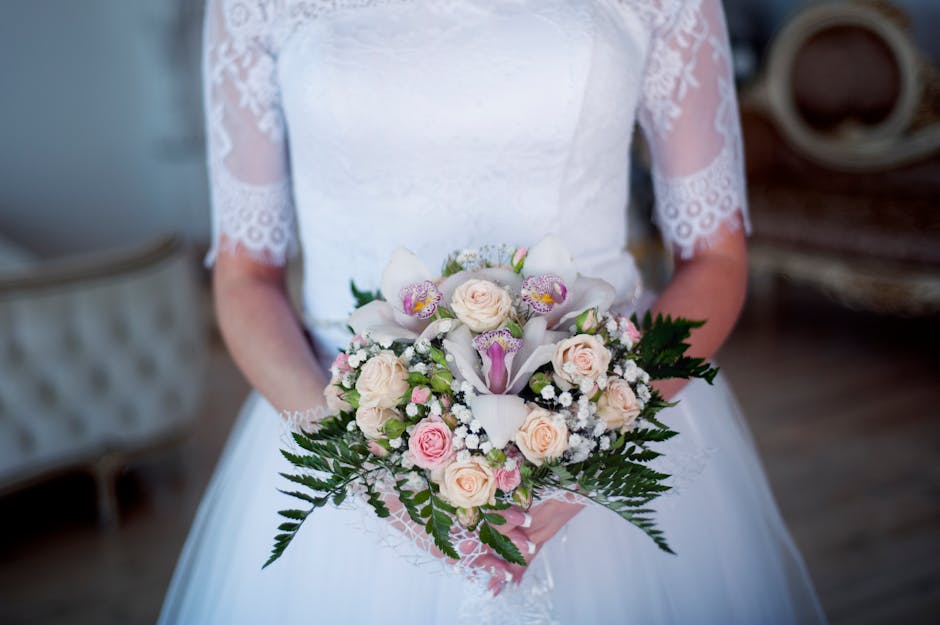
Wedding bouquet quotes in London: package vs hourly rates
If you are comparing Wedding bouquet quotes in London: package vs hourly rates, you are probably trying to answer a very ordinary but very real question: what exactly are you paying for, and which pricing model gives you the best value for your day? London can make even a simple floral order feel oddly complex. One florist bundles everything into a tidy package, another charges by the hour, and a third gives you a quote that seems to include half a studio's worth of behind-the-scenes work. It is a lot.
This guide breaks it down in plain English. We will look at how package pricing and hourly rates work, where each one makes sense, what hidden costs to watch for, and how to compare quotes without getting lost in floral jargon. We will also cover the practical stuff couples actually care about: timings, delivery, setup, revisions, peak-date surcharges, and how to read a quote like someone who has done this before. Truth be told, a good bouquet quote should feel clear, not like a puzzle.
To help you compare with confidence, this article also touches on related wedding planning considerations and links to useful pages on the site where relevant, including London flower delivery across the city, delivery details, flower care advice, and our guarantees.
Table of Contents
- Why Wedding bouquet quotes in London: package vs hourly rates Matters
- How Wedding bouquet quotes in London: package vs hourly rates Works
- Key Benefits and Practical Advantages
- Who This Is For and When It Makes Sense
- Step-by-Step Guidance
- Expert Tips for Better Results
- Common Mistakes to Avoid
- Tools, Resources and Recommendations
- Law, Compliance, Standards, or Best Practice
- Options, Methods, or Comparison Table
- Case Study or Real-World Example
- Practical Checklist
- Conclusion
- Frequently Asked Questions
Why Wedding bouquet quotes in London: package vs hourly rates Matters
On the surface, bouquet pricing seems simple. You want flowers, a finished design, and a fair price. But in London, the way a florist structures a quote can change the total quite a bit. A package may include consultation, design time, sourcing, production, and delivery in one number. An hourly rate may look lower at first, then grow once planning, revisions, procurement, and setup time are added.
That difference matters because wedding flower budgets are usually set in a very real-world way. You are balancing the bouquet with venue styling, buttonholes, table flowers, and all the other bits that somehow multiply when nobody is looking. If you compare quotes badly, you may think one florist is expensive when they are actually more transparent. Or the reverse. Let's face it, nobody wants an unpleasant surprise the week before the wedding.
London also has practical pressures that affect pricing: traffic, parking restrictions, controlled loading, venue access windows, and delivery timing. A florist in central London may need more buffer than one working in a quieter area. That can be reflected in either a package or an hourly model. It is not just about petals and ribbon; it is about time on the ground.
One useful rule of thumb: if the quote does not explain what is included, the price is not really comparable yet. The number alone is not enough. You need to know whether it covers design time, flowers, mechanics, adjustments, delivery, and on-the-day support. Otherwise you are comparing apples with roses. Sorry, had to.
How Wedding bouquet quotes in London: package vs hourly rates Works
The main difference is straightforward. A package rate gives you a fixed price for a defined set of flowers and services. An hourly rate charges for the actual time spent working on your order. The first is easier to budget. The second can be more flexible, but it needs careful scope control.
How package quotes usually work
A package quote is common when the florist has a standard wedding offer or a clearly defined bespoke service. You might receive a quote for a bridal bouquet, bridesmaids' bouquets, buttonholes, and delivery as one bundle. Sometimes the florist may offer tiered packages, with set flower choices, design complexity, or guest-count ranges.
In practice, package pricing tends to work best when the brief is fairly stable. For example: you know the colour palette, approximate bouquet size, and venue location. The florist can then estimate materials, labour, and logistics with less risk. If the florist is experienced, they are also pricing in a little buffer for seasonal variation, last-minute substitutions, and the reality that wedding planning sometimes shifts. Quite often it does.
How hourly rates usually work
An hourly rate quote usually separates labour from materials. The florist may charge per hour for consultation, design development, sourcing, installation, and on-the-day delivery or setup. Flowers and sundries may be billed separately. This can suit highly bespoke requests, unusual installations, or weddings that need multiple revisions and a lot of bespoke coordination.
The catch is that hourly pricing only stays fair if the scope is tightly defined. You should ask what counts as billable time. Is email correspondence included? Are sample designs included? What about supplier visits, venue calls, or late-night changes? Small things, but they add up. They really do.
What affects the final quote in London
- Seasonality: Some flowers cost more or are harder to source at certain times of year.
- Design complexity: A loose hand-tied bouquet takes different labour from a tightly structured, wired, cascading design.
- Number of items: One bouquet is a different job from a full floral suite.
- Venue access: Loading times, stairs, or limited access can increase setup time.
- Delivery area: Central London delivery may need more time and planning than a straightforward local drop-off.
- Revision count: Changes to colour palette, flowers, or size can affect both package and hourly pricing.
If you want to understand flower logistics more generally, the site's flower delivery information and payment details pages are useful for practical next steps.
Key Benefits and Practical Advantages
There is no one perfect pricing model. That is the honest answer. What matters is matching the model to the wedding, the timeline, and how comfortable you are with uncertainty.
Why package quotes appeal to many couples
- Budget clarity: You know the likely total up front.
- Less admin: One quote is easier than managing a list of billable hours.
- Simple decision-making: Useful when you already have enough moving parts elsewhere in the wedding plan.
- Better for standard requests: Ideal when the bouquet style is clear and the deliverables are fixed.
For many couples, especially those juggling venue, registrar, guest list, transport, and outfits, package pricing is a relief. It reduces mental load. Which, on a wedding planning spreadsheet, is no small thing.
Why hourly rates can be useful
- Flexibility: Good for bespoke briefs or changing ideas.
- Fairness on unusual projects: You pay for actual work done rather than an estimated bundle.
- Transparency for complex design: Helpful if the bouquet is part of a larger floral design plan.
- Useful for consultation-heavy projects: Particularly when a couple wants several revisions or venue-specific planning.
Hourly pricing can be useful if you are very particular and want room to refine the design. It is also a practical choice if your wedding aesthetic is evolving and you do not yet want to lock into a fixed package too early.
What savvy couples look for
The strongest quotes are not just low or high; they are clear. You want to know how the florist thinks, not just what they charge. A strong quote explains assumptions, lists inclusions, and makes extra costs visible. That makes it easier to compare one florist with another fairly.
Expert summary: The best wedding bouquet quote is the one that lets you see the real cost of design, materials, labour, and delivery without forcing you to decode it line by line.
Who This Is For and When It Makes Sense
This comparison is useful for anyone planning wedding flowers in London, but it is especially relevant if you are deciding between a set-price florist and a more bespoke floral designer.
Package pricing makes sense if you are:
- planning a standard bridal bouquet and a few matching items
- working to a fixed budget
- short on time and want fewer decisions
- comfortable choosing from a florist's existing styles or seasonal suggestions
- booking for a date that is likely to be busy, and want a confirmed total
Hourly pricing makes sense if you are:
- planning a larger floral concept with multiple moving parts
- wanting several consultation rounds before deciding on the final look
- working with unusual flowers, shape requests, or structural design
- needing site visits, venue liaison, or detailed setup planning
- more interested in design freedom than in a fixed bundle
There is also a middle ground. Some florists use a package as the base and then add hourly fees for extras beyond scope. That can work well, provided the quote is properly written. The trouble starts when the base package looks neat but the extras are not capped. Then you are back in the land of "just one more adjustment."
If your wedding is in or around the city, you may also find it useful to look at local coverage pages such as Central London, West London, or Greater London to understand service reach and delivery considerations.
Step-by-Step Guidance
Here is the simplest way to compare quotes without getting overwhelmed.
- Write a short brief. Include bouquet style, colour palette, wedding date, venue area, and any flowers you absolutely want or absolutely do not want.
- Ask what is included. Request a clear breakdown of design time, materials, consultation, delivery, setup, and any styling support.
- Check the pricing model. Decide whether you are being quoted a fixed package, a labour rate, or a hybrid of both.
- Ask about revisions. One round of changes is very different from four rounds, especially if you are paying hourly.
- Confirm seasonal substitutions. Good florists will often suggest alternatives if a flower is unavailable or too expensive.
- Compare like with like. Make sure bouquet size, flower choice, delivery location, and timing are the same across quotes.
- Review logistics. In London, access and delivery timing matter. Ask how the florist handles parking, loading, and venue windows.
- Get the final terms in writing. This is the bit people skip when they are busy. Don't. It saves stress later.
A practical example: if one florist quotes a package for a bridal bouquet and boutonnieres with delivery, while another charges by the hour plus materials, compare the estimated labour time against the package inclusions. The lower headline price is not always the lower real cost. It is a bit annoying, but there it is.
Expert Tips for Better Results
Small decisions make a big difference with wedding flowers. A few extra questions early on can save money, time, and a fair bit of back-and-forth later.
Be precise about the bouquet itself
"Romantic and natural" means one thing to one florist and something entirely different to another. If you can, share reference images, preferred colours, and any details about dress fabric, season, or venue style. That helps both package and hourly quotes become more accurate.
Ask for a quote that separates labour from materials
This is especially useful if you are comparing package vs hourly rates. If you can see what portion of the quote is time and what portion is flowers and sundries, you can judge whether the pricing makes sense. It also helps you spot where a quote might be padded, though hopefully it is not.
Watch for London-specific logistics
Central zones, tight loading bays, lift access, and wedding-day time slots can all affect the real workload. A florist who knows London well may build this into the quote early. That is a good sign. A vague "delivery included" with no detail is less helpful.
Choose based on risk, not just headline cost
If your bouquet is simple and your plan is fixed, a package often reduces risk. If your ideas are still evolving, hourly rates may be more honest because you are paying for the time needed to shape the brief properly. Either way, the best quote is the one that matches your level of certainty.
Protect the budget with a scope cap
If you choose hourly pricing, ask for a ceiling, estimate, or staged approval point. For example, the florist might agree to pause before any work beyond a certain number of hours. That one question can prevent a small design decision from turning into an unexpectedly large invoice. Nice and tidy, ideally.
Common Mistakes to Avoid
People often compare flower quotes as if they were comparing identical products. They rarely are. Here are the mistakes we see most often.
- Comparing a package to an hourly quote without adjusting for scope. The package may include more than you realise.
- Ignoring delivery and access costs. London logistics can be a real part of the job.
- Assuming revisions are free. They are not always.
- Forgetting seasonal availability. A dream flower in one month may be pricey or unavailable in another.
- Not checking whether the quote includes VAT if relevant. Always ask how pricing is presented.
- Leaving the brief too vague. The florist is not a mind-reader. No one is, thankfully.
- Choosing only on headline price. Cheap can become expensive once extras appear.
Another common slip is assuming every florist uses the same language. One person may say "consultation" and mean a 20-minute call. Another may mean a full design session. Ask. Clarify. Then ask again if needed. It saves awkwardness later.
Tools, Resources and Recommendations
You do not need special software to compare bouquet quotes, but a few simple tools help a lot.
- A one-page wedding flower brief: Keep it short, but include date, venue, palette, bouquet style, and delivery needs.
- A comparison table: List each florist, quote type, inclusions, delivery, revision policy, and total estimated cost.
- Reference images: Three to five images are usually enough. More than that can muddy the waters.
- A schedule with key dates: Especially helpful if decisions need to be locked before final fitting or venue access planning.
- Flower care notes: Useful if you are collecting bouquets early or storing them briefly before the ceremony. The flower care guide is a sensible place to start.
For planning and reassurance around service expectations, it can also help to review the site's returns and refund information and terms and conditions. Those pages are not glamorous reading, admittedly, but they do matter.
Law, Compliance, Standards, or Best Practice
Wedding bouquet quotes are not usually a heavily regulated area, but there are still best-practice considerations worth keeping in mind. In the UK, a clear written quote and clear terms are standard commercial good practice. That matters because floral work often involves perishable goods, timing-sensitive delivery, and custom production. Once the flowers are cut and designed, changes can be costly.
From a customer point of view, the safest approach is simple:
- get the quote in writing
- check what is included and excluded
- confirm cancellation or amendment terms
- ask how substitutions are handled if flowers are unavailable
- make sure any delivery requirements are stated clearly
If you are booking a florist for a venue in London, it is also wise to be clear about access, security, and delivery timing. Some venues have strict loading windows or rules about supplier arrival. That is not legal red tape as such, just practical compliance with venue procedures. Still, it matters, because a late delivery can unsettle the whole schedule.
Another best-practice point is sustainability. Some couples want locally sourced flowers where possible, reduced waste, or foam-free design methods. If that matters to you, ask the florist how they work. The site's sustainability page gives a sense of how responsible sourcing and delivery choices can be approached.
Options, Methods, or Comparison Table
Here is a simple comparison to help you weigh package pricing against hourly rates.
| Aspect | Package Rate | Hourly Rate |
|---|---|---|
| Budget predictability | High | Medium to low |
| Best for | Fixed, standard, or semi-bespoke orders | Complex, evolving, or highly custom work |
| Ease of comparison | Usually easier | Needs more detail |
| Risk of extras | Lower if inclusions are clear | Higher unless scope is controlled |
| Flexibility | Moderate | High |
| Transparency | Depends on the quote detail | Good if labour and materials are separated |
| Best value when | You know exactly what you need | You need design time and ongoing adjustments |
For most couples, the decision comes down to certainty versus flexibility. If certainty matters more, packages are usually easier to live with. If flexibility matters more, hourly rates can be fairer. There is no prize for choosing the most complicated system. None at all.
Case Study or Real-World Example
Imagine a couple planning a spring wedding in central London. They want one bridal bouquet, two bridesmaids' bouquets, and a few buttonholes. Their colours are soft peach, ivory, and green, and they have a firm ceremony time with limited access at the venue.
The first florist offers a package quote. It includes design, flowers, ribbon, delivery, and a single consultation. The second florist offers hourly pricing for consultation, sourcing, design, and delivery, plus materials separately. At first glance, the hourly quote looks lower. But once the couple asks about revisions and delivery timing, the hourly estimate starts to grow.
What do they learn? The package is easier for them because they already know what they want and the scope is fixed. They do not need multiple design iterations. The hourly quote could have worked too, but only if they were still exploring the look and wanted several back-and-forth adjustments. That is the real difference in the wild.
In another wedding, the couple wants a trailing bouquet, matching ceremony pieces, and a few site-specific floral details that depend on venue measurements. Here, hourly pricing can be more sensible because the florist needs to spend time measuring, revising, and planning the mechanics. The final spend may be higher, but the process is more honest.
So the question is not "Which model is cheaper?" It is "Which model fits the job?" That small shift in thinking makes quote comparison much easier.
Practical Checklist
Use this checklist before you accept any bouquet quote.
- Have you confirmed the wedding date and delivery window?
- Do you know whether the quote is a package, hourly, or hybrid model?
- Are design time, materials, and delivery clearly separated?
- Does the quote include consultations and revisions?
- Have you checked whether VAT, if applicable, is included?
- Do you understand the florist's substitution policy for seasonal flowers?
- Are venue access, parking, and loading arrangements covered?
- Is there a cap or estimate if the florist charges by the hour?
- Have you compared quotes using the same bouquet brief?
- Do the terms mention cancellation, rescheduling, or refund handling?
If you can answer yes to most of those, you are in good shape. Not perfect, just well prepared. That is usually enough.
Conclusion
Choosing between package and hourly rates for wedding bouquets in London is really about clarity, control, and the kind of floral work your day actually needs. Package quotes are often best when your brief is settled and you want a clear, predictable total. Hourly rates can be a better fit for bespoke, evolving, or complex floral design where the time involved is hard to pin down in advance.
The smartest couples do not just compare prices. They compare scope, inclusions, delivery logistics, revision policy, and venue access. That is where the real value sits. A quote that looks slightly higher may end up being the safer, calmer, and more cost-effective choice once all the moving parts are counted. And with a wedding, calm counts for a lot.
Take your time, ask for clarity, and choose the model that matches your plan rather than your hopes. That way, the flowers can do what they are meant to do: look beautiful, feel personal, and arrive without drama.
Get a free quote today and see how much you can save.
And if you are still weighing up options, that is perfectly normal. A good quote is meant to make you feel steadier, not more tangled up.
Frequently Asked Questions
What is the difference between a package quote and an hourly rate for wedding bouquets?
A package quote gives you a fixed price for a defined set of flowers and services. An hourly rate charges for the florist's time, usually plus materials. Packages are easier to budget; hourly rates are better for bespoke or evolving briefs.
Are package quotes always cheaper than hourly quotes?
Not always. A package can look more expensive at first but still offer better value if it includes consultation, delivery, revisions, and design work. Hourly pricing can end up higher if the brief changes a lot or needs more planning time.
Which pricing model is better for a London wedding?
It depends on the job. For a straightforward bouquet and a few matching items, a package is often simpler. For complex designs, venue-specific logistics, or multiple revisions, hourly pricing can be more appropriate.
What should be included in a wedding bouquet quote?
A good quote should clearly list design time, flowers, materials, consultation, revisions, delivery, and any setup support. If something is not included, it should be stated plainly so you can compare quotes fairly.
How do I compare two bouquet quotes properly?
Use the same brief for both florists, then compare scope, inclusions, revisions, delivery, and any extra charges. Do not compare only the headline price. That is the trap, honestly.
Do London delivery costs affect wedding bouquet pricing?
Yes, they often do. Travel time, parking, loading restrictions, and delivery timing can all affect the final cost, especially in central areas or where venue access is limited.
Should I ask for a written quote?
Yes. A written quote helps avoid confusion about what is included, what counts as extra time, and how substitutions or amendments are handled. It is a sensible basic step.
Can I negotiate a wedding bouquet quote?
You can ask questions and discuss scope, but florist pricing is usually based on time, materials, and logistics. A better approach is to adjust the brief, simplify the design, or ask whether a package can be tailored to your budget.
What happens if flowers are out of season?
Most florists will suggest seasonal substitutions. That may change the look or cost slightly, so it is best to agree in advance how substitutions will be handled if the original flowers are unavailable.
Is hourly pricing risky for weddings?
It can be if the scope is vague. The risk is not the hourly model itself; it is open-ended work without a cap, estimate, or approval point. If those are in place, hourly pricing can be very fair.
Do wedding bouquet quotes include VAT?
Sometimes yes, sometimes no. You should always ask how the price is shown and whether tax is included. Clear pricing avoids awkward surprises later on.
What is the best question to ask a florist before booking?
Ask, "What exactly is included in this quote, and what would count as extra?" It is a simple question, but it tends to reveal whether the pricing is transparent and whether the florist has thought through the logistics properly.